%2Ffit-in%2F250x250%2Fguide_websites%2F2806%2Fimages%2Fimageedit_5_4751821704.png&w=1920&q=100)
/users/d01c1a09-5a17-4d80-b76a-e0525039c61a/ratecard/b7b4fc7e-cc0c-41c0-ac59-c5443ce685d8.jpeg)
%2F300x300%2Fusers%2Fd01c1a09-5a17-4d80-b76a-e0525039c61a%2Fratecard%2Fb7b4fc7e-cc0c-41c0-ac59-c5443ce685d8.jpeg&w=256&q=75)
%2F300x300%2Fusers%2Fd01c1a09-5a17-4d80-b76a-e0525039c61a%2Fimages%2Fsneads-ferry-sunset-fishing-boat-2542.jpeg&w=256&q=75)
%2F300x300%2Fusers%2Fd01c1a09-5a17-4d80-b76a-e0525039c61a%2Fimages%2Fsneads-ferry-evening-fishing-2592.jpeg&w=256&q=75)
%2F300x300%2Fusers%2Fd01c1a09-5a17-4d80-b76a-e0525039c61a%2Fimages%2Fsneads-ferry-redfish-catch-2772.jpeg&w=256&q=75)
%2F300x300%2Fusers%2Fd01c1a09-5a17-4d80-b76a-e0525039c61a%2Fimages%2Fsneads-ferry-fishing-catch-2649.jpeg&w=256&q=75)
%2F300x300%2Fusers%2Fd01c1a09-5a17-4d80-b76a-e0525039c61a%2Fimages%2Fdouble-mahi-mahi-sneads-ferry-2668.jpeg&w=256&q=75)
%2F300x300%2Fusers%2Fd01c1a09-5a17-4d80-b76a-e0525039c61a%2Fimages%2Fsneads-ferry-fishing-success-2693.jpeg&w=256&q=75)
%2F300x300%2Fusers%2Fd01c1a09-5a17-4d80-b76a-e0525039c61a%2Fimages%2Fsneads-ferry-fishing-boat-wake-2666.jpeg&w=256&q=75)
%2F300x300%2Fusers%2Fd01c1a09-5a17-4d80-b76a-e0525039c61a%2Fimages%2Fgrey-triggerfish-sneads-ferry-catch-2639.jpeg&w=256&q=75)
%2F300x300%2Fusers%2Fd01c1a09-5a17-4d80-b76a-e0525039c61a%2Fimages%2Fsneads-ferry-grey-triggerfish-catch-2817.jpeg&w=256&q=75)
%2F300x300%2Fusers%2Fd01c1a09-5a17-4d80-b76a-e0525039c61a%2Fimages%2Fsneads-ferry-mixed-catch-grouper-2789.jpeg&w=256&q=75)
NC Flounder Gigging - Prime September Action
 North Carolina
What you will be catching:
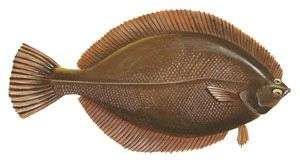
 Winter Flounder
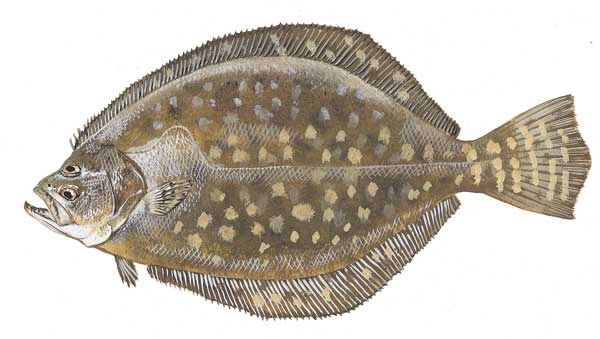 Southern Flounder
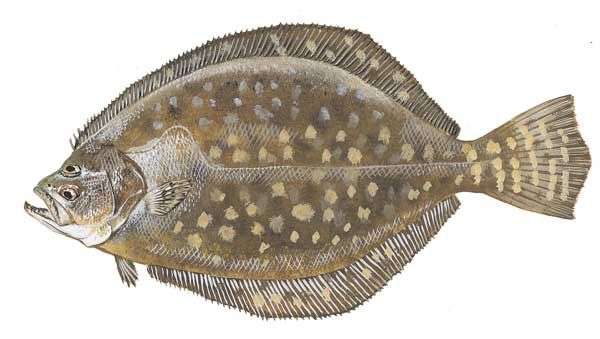
 Summer Flounder
- Target trophy flounder during North Carolina's limited September season
- Small group trips accommodate maximum three guests per excursion
- Prime opportunity for doormat-sized flounder after multi-year closure
Trip Pricing and Availabilities:
NC Flounder Gigging - Prime September Action
Get ready for some of the best doormat flounder action North Carolina has seen in years. After being closed for multiple seasons, the NC marine flounder fishery is back open for two precious weeks in September, and Atlantic Blue Charters is your ticket to these trophy flatfish. With years of pent-up growth, we're seeing flounder that'll make your jaw drop - the kind of doormats that anglers dream about. This top-rated inshore experience accommodates up to 3 guests, making it perfect for a small crew ready to capitalize on this limited window of opportunity.
What to Expect on the Water
This isn't your typical flounder trip - we're talking about a world-class fishery that's been essentially untouched for years. The September opening means cooler nights and active flounder moving through their late summer patterns. You'll be working North Carolina's premier inshore waters where these flatfish have been growing fat and happy without fishing pressure. The two-week season flies by fast, so every trip counts. We keep our groups small at just 3 anglers max, giving everyone plenty of room to work and ensuring you get the personalized attention that makes this experience special. The bite can be lights-out good during this narrow window, with flounder that have had years to reach true doormat status. Expect to see fish that'll have you questioning if they're actually flounder or small barn doors.
Gigging Techniques & Gear
Flounder gigging is an art form that combines stealth, precision, and perfect timing. We'll be working the shallows with bright lights that illuminate the bottom, revealing these masters of camouflage as they lay buried in the sand and mud. The key is moving slowly and methodically, scanning every square foot of bottom as flounder will often hold motionless until the last second. We use commercial-grade LED lighting systems that penetrate the water column and reveal even the most well-hidden fish. Your gig needs to be razor sharp and your aim true - these fish can bolt in an instant once they realize they've been spotted. The technique involves a quick, decisive strike that pins the fish to the bottom before they can escape. We'll teach you how to read the bottom structure, identify the subtle outlines of buried flounder, and execute the perfect strike. The gear is specialized but straightforward - sharp gigs, powerful lights, and the patience to work methodically through prime flounder habitat.
Target Species
Summer Flounder are the crown jewel of this fishery and the primary target during North Carolina's September season. These fish are true nomads, spending their summers in the shallows before beginning their fall migration to deeper offshore waters for spawning. After years of protection, we're seeing summer flounder pushing well into the doormat category - fish over 5 pounds that represent years of growth without harvest pressure. They're ambush predators that bury themselves in sand and mud, leaving only their eyes exposed to watch for prey. What makes September so special is catching these fish during their pre-migration feeding phase when they're actively bulking up for the journey ahead. The thrill of spotting a big summer flounder's outline on the bottom, then executing the perfect gig shot, never gets old.
Southern Flounder add another dimension to North Carolina's flounder complex, and they're often found in slightly different habitat than their summer cousins. These fish tend to prefer areas with more structure and vegetation, making them exciting targets for experienced giggers. Southern flounder are known for their aggressive nature and willingness to move when feeding, which can make them both easier to spot and trickier to pin down. They're excellent eating and fight harder than you'd expect for a flatfish. The key to targeting southern flounder is working transition areas where sand meets grass or structure, as they love to ambush prey from these edges.
Winter Flounder round out North Carolina's flounder species and represent a true prize for any angler. These fish are less common in our waters but when you find them, they're typically quality fish that have survived multiple seasons. Winter flounder are incredibly good at camouflage and often require the most skill to spot and successfully gig. They tend to be more active in cooler water, making September prime time for targeting them. What sets winter flounder apart is their excellent table fare - many consider them the best eating of all the flounder species. Finding winter flounder during a gigging trip feels like discovering hidden treasure, as they're not as abundant as summer flounder but offer that extra challenge that experienced anglers crave.
Time to Book Your Spot
With only two weeks of legal flounder season and years of pent-up angler demand, these trips book fast. This customer favorite experience represents a rare opportunity to target trophy flounder that have grown undisturbed for multiple seasons. The combination of limited season dates, prime September conditions, and what could be the best flounder fishing in decades makes this a trending trip that serious anglers can't afford to miss. Atlantic Blue Charters' renowned flounder gigging program has been waiting for this moment, and we're ready to put you on fish that'll create memories for years to come. Don't let this historic opportunity slip away - book your September flounder gigging adventure today and experience what could be the trip of a lifetime on North Carolina's world-class inshore waters.
Learn more about the species
Winter Flounder
Winter flounder aren't as common down here in NC as they are up north, but when we do find them, they're a treat. These right-eyed flatfish typically run 10-12 inches, though bigger ones up to 25 inches show up. Unlike their summer cousins, winter flounder have smaller mouths and feed mainly in morning hours, picking at worms, clams, and small crustaceans. They stick to deeper channels and around structure where they can blend in with their color-changing ability. What's neat about them is they're sight feeders, so clear water days work best. They're also some of the sweetest eating fish you'll find. My go-to method is using big sea worms or clams on sensitive tackle - these fish nibble first, so you need to feel those light taps before they commit to the bait.
Southern Flounder
Southern flounder are our most common flatfish here in NC waters, and they're what most folks target during our short September season. These ambush predators typically run 15-18 inches but can stretch to 33 inches for true trophy fish. You'll find them buried in sand or mud in shallow bays, estuaries, and inlet mouths where they wait to pounce on shrimp, crabs, and baitfish. They're distinguished from other flounder by their scattered dark blotches rather than eye-spots. What guests love is their sneaky nature - one second you're drifting over empty bottom, next second your rod tip is dancing. They're prime eating too. Best trick I can share: use a 1/4 to 3/8 oz jig head with live mullet and work it slow along muddy drop-offs near grass beds.
Summer Flounder
Summer flounder are the classic "doormat" fish that keep NC anglers coming back. These flatfish average 15-20 inches but can reach serious doormat size - we're talking 26+ pounds. They're masters of camouflage, lying on sandy bottoms in estuaries and nearshore waters with both eyes on their left side. September through November is prime time when they're most active before heading offshore for winter. What makes them special is their aggressive strike on live bait and the fight they put up once hooked. They're also excellent table fare. Pro tip: use a circle hook and fish live mullet or croakers near structure - when you feel that first nibble, give them time to fully commit before setting the hook since they bite sideways.
About the Mako Pro Skift
%2F%2Fusers%2Fd01c1a09-5a17-4d80-b76a-e0525039c61a%2Fvehicle_picture%2F51ff9aa6-8fe4-4d1a-940e-d84d575d8c75.jpeg&w=1920&q=75)
Vehicle Guest Capacity: 3
Manufacturer Name: Mercury
Maximum Cruising Speed: 40
Number of Engines: 1
Horsepower per Engine: 115